
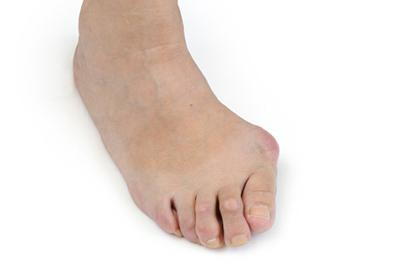
Bunions, or hallux valgus, are a common foot condition where the big toe shifts toward the other toes, causing a bony bump to form at the base of the toe. This misalignment can lead to pain, swelling, and difficulty wearing shoes. At Hampton Roads Foot and Ankle Specialists, with offices in Hampton and Williamsburg, VA, Dr. Sara Bouraee, Dr. Sonya Wali, Dr. Carl Belock, and Dr. Meng Liu provide expert care and advanced treatment options for bunions, offering both non-surgical and surgical solutions to restore comfort and function.
Non-Surgical Treatment Options
The majority of bunions can be treated conservatively without the need for surgery. Care is intended to alleviate pain and prevent the deformity from worsening. Shoes with a wide toe box and low heels can help reduce pressure on the bunion. Orthotics are frequently used to restore foot alignment and shift pressure. Your podiatrist might also recommend protective pads, anti-inflammatory medication, or ice to reduce swelling. Sometimes, physical therapy improves flexibility and reduces pain caused by tight muscle and joint tension.
These options won’t reverse the bunion, but they can make daily movement more manageable and delay or prevent the need for surgery.
When Surgery Is Necessary
If conservative measures no longer provide relief or the bunion significantly interferes with your daily life, surgical intervention may be the best option. Bunion surgery, or bunionectomy, is designed to correct the deformity and restore natural alignment to the foot.
Surgical Treatment Approaches
Several surgical techniques are available to treat bunions, depending on the severity of the condition. Common procedures include an osteotomy, where the bone is cut and realigned; an exostectomy, which involves removing the bony bump; and arthrodesis, or joint fusion, to relieve pain and stabilize the joint. In cases of instability at the base of the first metatarsal, a Lapidus procedure may be recommended. Minimally invasive techniques are also an option, often involving smaller incisions and shorter recovery times.
Recovery and Post-Operative Care
Recovery time varies depending on the procedure, although most patients can resume regular activities within 6 to 12 weeks. Wearing a surgical boot, avoiding activities, and undergoing physical therapy to regain strength and mobility may be recommended by your podiatrist. Adhering to your care plan is essential for the best possible outcome.
Choosing the Right Treatment Plan
The most effective treatment for a bunion depends on your specific symptoms, the extent of the bunion, and your lifestyle goals. At Hampton Roads Foot and Ankle Specialists, our team will guide you through all available options and work with you to determine whether conservative care or surgical intervention is the best course of action.
Take the First Step Toward Relief
If you’re dealing with bunion pain, don’t wait to find relief. Schedule a consultation with Dr. Sara Bouraee, Dr. Sonya Wali, Dr. Carl Belock, or Dr. Meng Liu at Hampton Roads Foot and Ankle Specialists. Call (757) 224-7605 for our Hampton office or (757) 220-3311 for our Williamsburg office.